Sound rated and standard replacement windows across Riverside and the 91 corridor. (951) 407-5252

Freeway Noise Glass, Riverside

Quieter Rooms on the Streets Beside the 91

Traffic noise gets into a house through the glass long before it gets in anywhere else. Two panes of the same thickness with a thin gap between them are close to the worst thing you can put in a wall facing a freeway.

  1. Call (951) 407-5252
  2. Ask About the Noisy Side
Laminated glass fittedRetrofit and full frameLicensed and insured
Replacement window with laminated glass in a Riverside, CA home near the 91 freeway

Notes on Glass and Noise

What we have learned fitting windows on the streets beside the freeway.

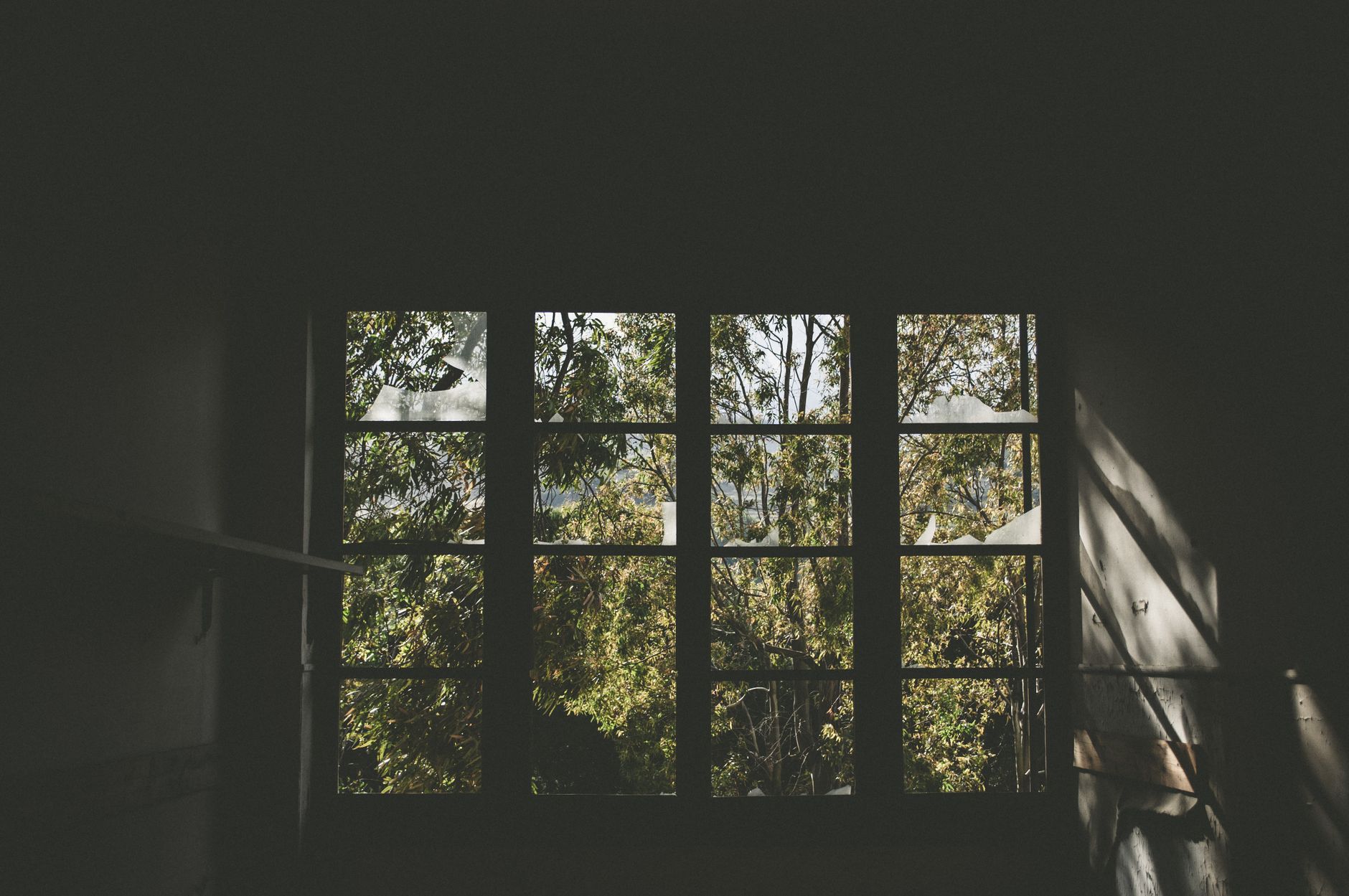
A view through an antique window in Messina, Sicily, with lush greenery outside in Riverside, CA

Window Installation Near Me: Why Three Quotes Come Back So Far Apart

Three estimates for the same six openings can come back far enough apart that a homeowner assumes one company is gouging and another is desperate. Usually neither is true. The spread is describing three different jobs, and nothing on the quote sheets says so in a place a reader would notice.

Windows are one of the few home purchases where the product and the labor arrive as a single line. A roof proposal separates tear-off from material. A window proposal often reads as a per-opening number with a brand name across the top, which hides the two decisions that drive both the price and the result: how much of the existing opening comes out, and who is physically going to do the work.

The list that comes back from a search for window company near me in Riverside is ordered by advertising budget and driving distance, not by which crews have set a unit into a stucco wall framed in the 1950s. Sorting that list is mostly a matter of asking the same short set of questions of everyone on it and noticing who answers in specifics and who answers in adjectives.

Retrofit and full frame are not two prices for one job

This is the single largest reason two quotes disagree, and it is often buried in a product code rather than written in a sentence.

A retrofit installation, sometimes sold as an insert or a pocket window, leaves the original frame in the wall. The old sash and operating parts come out, the frame stays, and the new unit is set inside it with a flange that laps over the existing exterior. Nothing is cut, no stucco is broken, and the interior casing is usually untouched. It is the faster and less invasive of the two by a wide margin.

A full frame replacement removes everything down to the rough opening in the framing. The exterior finish around the window gets cut back, the old frame and its nailing fin come out, new flashing goes in against the water-resistive barrier, and the exterior is patched afterward. The crew is then responsible for a waterproofing detail rather than a trim detail.

Two things follow from that difference, and both matter when comparing sheets of paper.

The first is glass area. A retrofit unit sits inside the old frame, so the new frame stacks on top of the old one and the visible glass shrinks. On a small bathroom or kitchen window the loss is noticeable, and on a large living room opening it is modest in proportion. Nobody volunteers that number. It is fair to ask for the finished daylight opening dimensions rather than the unit size.

The second is what the installer is warranting. A retrofit relies on the original frame being sound and the original waterproofing still working. If the old frame is rotted, racked, or was never properly flashed, a retrofit buries that problem behind a new window and the leak eventually shows up on the inside wall. A company willing to look at that honestly will say when retrofit is not appropriate for a particular opening, and will sometimes quote a mix of both methods across one house.

How to force an apples-to-apples comparison

Decide the method first, then ask everyone to quote it. A quote request that says full frame on the two openings with evidence of past water intrusion and retrofit elsewhere produces three documents that can actually sit side by side. Leaving the method open means the lowest number is almost always the least work, and the homeowner finds that out during demolition.

If a company insists their method is the only correct one for every opening on every house, that is a product preference presented as building science.

Ask who is going to be standing in your living room

The person who comes out to measure is frequently not the person who installs, and in some business models does not work for the same company as the person who installs.

There is nothing inherently wrong with subcontracted labor. A great deal of excellent window work is done by independent crews who do nothing but windows all week. The problem is not the arrangement, it is not knowing which arrangement applies, because it determines who answers the phone when something is wrong two years later.

Worth asking plainly: are the installers employees or subcontractors, how long has this particular crew been doing work for you, how many openings do they typically complete in a day, and will one person be there for the entire job or will the lead rotate. A company that does its own installing can usually answer those without pausing. A company that brokers the work will either say so, which is fine, or get vague, which is information too.

The related question is who handles the repair call. When a sash binds or a screen is wrong or stucco patch cracks, the warranty on the product comes from the manufacturer and the warranty on the labor comes from whoever did the labor. Ask for both, in writing, with a term in years, and ask specifically whether the labor warranty covers the exterior patch and the interior finish as well as the window itself. Those are the parts that fail first and are most often excluded.

Inland heat is a glass specification, not a sales pitch

Climate language is where window sales goes softest, which is unfortunate, because the glass package is the one part of the order a homeowner genuinely cannot change afterward.

Two numbers describe most of it. U-factor measures how readily heat conducts through the whole assembly, and lower is better. Solar heat gain coefficient measures how much of the sun's energy the glass admits, and on west and south exposures in an inland valley, lower is usually better as well. The two are not the same thing, and a window can be respectable at one and mediocre at the other.

The distinction matters more in Riverside than it does near the coast. A house a short drive inland sees long stretches of high afternoon temperatures with strong, direct, low-angle sun on west-facing glass through the hottest hours. Conduction is part of the load, but direct solar gain through the glass is the part that makes a west bedroom unusable at five in the afternoon. A glass package chosen to control gain on that elevation, and a different one on a shaded north wall, is a reasonable order. A single spec repeated across every opening because it is what the showroom stocks is a convenience, not a design.

The numbers that belong on the quote

Ask for the certified ratings for the exact unit being ordered in the exact glass makeup, not the brochure figures for the product line. Ratings shift with size, frame material and coating, and the best number a line can produce is rarely the number for the window going into the wall.

Ask whether the quoted assembly satisfies the state energy code requirement for the project, and who files the compliance paperwork if the permit requires it. Replacement work does fall under energy requirements, and the answer "the installer handles it" without naming what is handled is the answer to listen for.

Ask what else is in the glass. Laminated glass changes sound transmission and security. Tempered glass is required by code in certain locations such as near doors, in tubs and showers, and at low sills, and an estimator who already knows which of your openings need it has read the house rather than the order form.

Questions that separate measuring from estimating

A short list, and the quality of the answers is the comparison:

How did you determine the opening sizes, and will they be verified again before the order is placed? Field measuring twice is standard practice because an order error becomes a weeks-long delay.

What happens if an opening is out of square or shows rot behind the frame? The useful answer describes a procedure and an hourly or unit rate for that work, not an assurance that it will not happen.

Who pulls the permit, and is it included? Window replacement is permitted work in most jurisdictions, and a quote that is quietly unpermitted is cheaper for a reason that surfaces at resale.

What is the lead time from signed order to installation day, and what is the schedule if a unit arrives damaged? Glass gets broken in transit regularly, and the honest answer involves a return trip.

How is the exterior patched, and who does it? On a stucco house this is a real trade decision, and the texture match is what the neighbors will see.

What a finished quote should already contain

A document worth comparing names the method per opening, the unit configuration and operation per opening, the frame material, the glass package with its ratings, whether screens and grids are included, the permit responsibility, the patch scope inside and out, the haul-away, the payment schedule, and the two warranties with their terms.

If three documents all contain those items, the remaining differences are genuine, and the cheapest is a legitimate choice. If one is a single page with a total and a brand name, the gap between it and the others is not a discount. It is a description of a different job, written in a way that makes it look like the same one.

Quieting a House Near the 91: What Glass Can and Cannot Do in Riverside

Quieting a House Near the 91: What Glass Can and Cannot Do in Riverside

The call usually comes in the same shape. Somebody bought a house a few blocks off the 91, lived with it for a couple of years, and reached the point where the traffic has stopped being background and started being the thing they think about at eleven at night. They want to know whether new windows will fix it.

The honest answer is that windows will help a great deal if they are the right windows, and will barely register if they are the ones most people get quoted. That gap between the two outcomes is what this piece is about.

Why the Freeway Sounds Louder Than It Used To

Nothing about the 91 changed overnight. Volume climbed steadily for decades, and the mix shifted toward heavy trucks running between the Inland Empire warehouses and the ports. Truck noise is lower pitched than car noise, and low frequencies travel further, wrap around barriers more readily, and pass through building materials more easily than high ones.

That last point is the one that catches homeowners out. The sound wall along the freeway does good work on the crisp part of the noise, the tyre hiss and the wind. It does much less on the low rumble, which bends over the top of it and settles into the neighbourhood behind. So a house can sit behind a wall and still get the part of the spectrum that is hardest to keep out.

The other change is inside the houses. A lot of the older stock in Arlington and along the streets south of Magnolia had heavy single pane aluminium windows that were poor at everything but at least dense. Replacing them with thin, light, energy focused dual panes made the house cheaper to cool and, in some cases, slightly worse against low frequency noise.

Where the Sound Actually Gets In

Before spending anything, work out which opening is losing. A wall assembly of stucco, sheathing, insulation and drywall is a reasonably good sound barrier. Glass is not, and an air gap is worse than either.

Rank the paths in a typical Riverside tract house and it usually goes like this. Windows facing the noise first, by a wide margin. Then any sliding patio door on that side, because it is a large area of thin glass in a track that is never airtight. Then the front door if it is a hollow slab. Then attic and crawl space vents, which are literally holes in the envelope, and if one faces the road it will happily carry traffic noise into the ceiling cavity. Only after all of that does the wall itself matter.

This ranking is why we quote room by room and refuse to quote whole houses for noise. Sound obeys the weakest path. Replace the windows on the freeway side and leave the slider, and you have paid for glass and will still hear the traffic through the door.

Why Standard Dual Pane Glass Underperforms

Two sheets of glass of the same thickness, separated by a narrow sealed cavity, share a resonant frequency. When sound hits the outer sheet it vibrates, and the inner sheet, wanting to move at exactly the same rate, takes that motion up and re radiates it into the room. The assembly acts less like two barriers and more like a coupled pair.

The frequency where that coupling is worst, in a typical residential unit with a thin cavity, sits low. Low is where the freeway lives. So the window is at its weakest precisely where you need it strongest, which is why so many people report that their expensive new windows made the house quieter in a general way but did nothing about the trucks.

Three specification changes fix it, and none of them are exotic.

Make the panes different thicknesses. Once the two sheets no longer resonate in step, each one damps the other. It is usually a modest upcharge on the same unit from the same supplier.

Make one of them laminated. Laminated glass is two thin sheets bonded to a plastic interlayer that converts vibration into a trace of heat rather than passing it on. This is the biggest single step available in a residential window and it is what separates a real sound package from a marketing one.

Open the cavity as wide as the frame allows. Air gap does genuine work at low frequency. Frame depth sets the ceiling, which is one reason a retrofit into a shallow old frame cannot reach as far as a full frame replacement.

The Install Decides Whether Any of It Works

Sound follows air. If air can get through a gap, so can noise, and a continuous quarter inch gap at the head of a window will comfortably undo the benefit of the best glass you can buy.

So on a noise job the perimeter is the work. Backer rod into the gap between frame and framing, sealant over it, no skipped corners, sealed on the interior side as well as the exterior. Low expansion foam only, because standard expanding foam bows a vinyl frame and then the sash binds and you have created a new problem. On stucco we watch the head detail especially closely, since that is where the original build most often got casual and where both water and sound arrive first.

We have gone back to houses where somebody else had fitted good laminated units and the homeowner was disappointed. Twice now the fix was not glass at all. It was sealing the opening properly.

Neighborhoods and How They Differ

Arlington and the blocks off Van Buren. Mixed housing stock, a lot of it from the fifties and sixties, and often the closest of anywhere to the freeway itself. Frames here are frequently original aluminium and frequently out of square from slab settlement, which pushes more of these jobs toward full frame than we would like.

La Sierra. Newer tract construction, generally square openings and sound frames, so retrofit works well. The complication is orientation. A lot of these houses put their main living space on a west facing wall, so the noise side and the heat side are the same side, and the glass has to do both jobs.

Magnolia Center. Busy surface street noise as much as freeway noise, and that is a different problem. Surface traffic is stop and start, so it is intermittent and higher pitched, which glass handles better. Results here tend to be more dramatic than people expect.

The Wood Streets. Older homes, often with original wood sash and real architectural character. Owners here usually do not want the look changed, so the conversation is about matching sightlines and grid patterns, and sometimes about interior storm panels rather than replacement at all. That last option preserves the original window and can outperform a replacement on noise, because the air gap between the old sash and the panel is enormous compared with anything sealed inside a frame.

Along the 60 corridor and toward Jurupa Valley. Same physics, different exposure. Wind driven dust is a bigger factor, which makes seal quality and screen choice worth more attention.

Weather Here Is Part of the Specification

Riverside summers are hot and dry, with heavy afternoon sun on any west facing wall and surface temperatures on dark frames that will surprise you if you touch one in August. That has three consequences for a window job.

Solar heat gain is not a side issue. A window chosen only for noise, with no low emissivity coating, will make a west room hotter. Read the SHGC figure on the NFRC sticker, not just the U-factor, and make sure whatever is quoted meets the current Title 24 requirement for this climate zone.

Thermal movement is real. Vinyl expands and contracts more than aluminium or fiberglass, and dark vinyl in full west sun moves the most. On the hottest exposures fiberglass holds its shape better and is worth the difference, particularly on wide openings.

Santa Ana conditions test the seal. A dry wind at speed finds every gap, and a house that whistles in the fall is a house that was leaking noise all year. Homeowners often notice the draught before they connect it to the traffic they have been hearing.

Autumn is also the practical time to book. Sealant and stucco patch both cure better out of extreme heat, and the crew is not fighting a surface too hot to work on.

What Recent Jobs Have Looked Like

A single storey house off Indiana Avenue, three bedrooms facing the freeway side. We replaced two bedroom windows and the living room window with laminated sound packages and left the six windows on the far side alone. The owner had been quoted a whole house replacement elsewhere. The result in the treated rooms was the change they wanted, and the untouched rooms were never the problem.

A La Sierra house where the complaint was the master bedroom. The window there turned out to be fine. The noise was arriving through a gable vent in the wall directly above it. Sealing and baffling that vent cost a fraction of a window and solved most of it, and we replaced one window afterwards for the heat rather than the sound.

A Wood Streets bungalow where the owner did not want the original sashes touched. Interior storm panels on the two street facing rooms, with the original wood windows restored and re sealed. Better acoustic result than a replacement would have given, and the front of the house looks exactly as it did.

A house near the 60 with a west facing patio slider that dominated everything. New slider with a laminated panel and a properly adjusted interlock. The rest of the windows stayed. That one opening had been carrying most of the noise.

What Customers Say Afterwards

“I stopped hearing the trucks as a separate thing. It is just there in the background now, the way it was when we moved in.” A homeowner in Arlington, after three windows.

“You told me two of the five windows I asked about would not make a difference I could hear, and you were right, and you still came back to check.” From a La Sierra job last spring.

“The heat was the surprise. We called about noise and the west room stopped being unusable in the afternoon.” Magnolia Center, laminated units with a low emissivity coating.

What We Guarantee

Our labour is warranted for two years, and the manufacturer warranty on the units themselves is separate and generally longer, which we hand over in writing rather than describing verbally. Sealed unit failure, the fogging between the panes, is covered by the manufacturer for a defined period and we handle that claim for you rather than sending you to a phone number.

The part we take most seriously is the seal. If air is getting past a perimeter we sealed, we come back and fix it, and there is no argument about whether it counts. That is the joint that decides whether the job worked.

What It Costs and Where to Spend

Retrofit replacement in Riverside typically lands between four hundred and fifty and eight hundred and fifty dollars per window. A laminated sound package runs from about seven hundred to thirteen hundred. Full frame with stucco cut and patched sits higher again, from around nine hundred to eighteen hundred, because it is a materially bigger job.

The spending advice is unchanged from the top of this article. Concentrate the money on the openings facing the noise. Three properly specified windows on the freeway side will do more than a whole house of ordinary ones, and cost less.

If the budget only stretches to one thing, make it the laminated pane on the worst room. If it stretches to nothing at all this year, seal the perimeters of the windows you have and check the vents facing the road. Both are cheap, and both are things a lot of expensive jobs skip.

Getting an Answer

Tell us which rooms are the problem and which way they face. We will look at the frames, check the perimeter, and tell you whether the fix is glass, sealing, or something smaller. A fair number of these visits end with a recommendation to spend less than the caller expected.

Call (951) 407-5252.

Window Work Aimed at Traffic Noise

Replacement windows chosen for what a specific room actually needs, not one spec applied to a whole house.

01Sound Rated Replacement Windows
Dual pane units built with unequal glass thicknesses and the widest cavity the frame allows. The right answer for rooms facing a busy surface street or a couple of blocks off the freeway.
02Laminated Glass Upgrades
One pane replaced with laminated glass, which carries a plastic interlayer that damps vibration. The best result available short of a second window, and it blocks nearly all ultraviolet as a side effect.
03Retrofit Window Installation
The old frame stays, the new window fits into it behind a flange that laps the stucco. Faster, cheaper, and no stucco patching, provided the existing frame is sound and square.
04Full Frame Replacement
Everything out to the rough opening, new flashing, new sealing, stucco cut and patched back. Necessary when the old frame is rotted, out of square, or leaking air around its whole perimeter.
05Failed Seal and Fogged Units
The cloudy film between the panes means the seal has gone and the cavity is breathing. The glass unit can often be swapped without touching the frame, which is a much smaller job than most people expect.
06Sliding Patio Doors
A big single sheet of glass in a rattling track is usually the loudest opening in a west facing house. Interlock adjustment and a heavier sound rated panel both help.

Donnymost replaces windows in Riverside, and the work we get asked about most is the front rooms and bedrooms on the streets that back onto the 91. Arlington, La Sierra, the blocks off Magnolia. Houses that were quiet enough when they were built and are not any more, because traffic volume went one direction for forty years.

Most of what is sold as a noise window is not one. A standard vinyl dual pane with two panes of the same thickness and a narrow air gap will cut some sound, but the two panes resonate together at almost the same frequency, and that resonance sits close to the low growl of tyres on concrete. You pay for glass and the truck noise arrives anyway.

What actually works is unglamorous: different thicknesses on the two panes so they do not resonate in step, a laminated pane with a plastic interlayer that damps the vibration rather than passing it on, the widest air gap the frame will take, and a genuinely airtight install. The install matters as much as the glass. Sound follows air, and a gap you can slide a business card into will undo an expensive window.

  • Matched panes resonate togetherTwo sheets of the same thickness vibrate at the same frequency and hand the sound straight through. Making one pane thicker than the other breaks that, and it costs very little extra.
  • Laminated glass damps, it does not just blockThe plastic interlayer in a laminated pane turns vibration into a small amount of heat instead of passing it along. It is the single biggest step up available in a residential window.
  • Air leaks beat good glassA high performing window fitted into a stucco opening that was never properly sealed will disappoint you. We check the perimeter before we quote the glass.

What Quieter Glass Costs

Numbers below are what typical Riverside jobs land at. A quote is worth more than a range, and we do not charge for one.

Retrofit Replacement$450 to $850 per windowLaminated Sound Package$700 to $1,300 per windowFull Frame With Stucco$900 to $1,800 per window
  • Unequal pane thicknesses
  • Existing frame kept
Get a quote
  • Laminated inner pane
  • Best result per dollar
Get a quote
  • New flashing and sealing
  • Stucco cut and patched
Call now

Neighborhoods We Work In

Riverside first, with the corridor along the 91 and the 60 doing most of the calling.

  • Riverside, CA (92501, 92503, 92504, 92506)
  • Arlington and La Sierra
  • Magnolia Center
  • The Wood Streets
  • Corona, CA
  • Jurupa Valley, CA

Call (951) 407-5252. If it is one loud room rather than a whole house, say so when you ring, because that changes the advice considerably.

Questions About Traffic Noise and Glass

Will new windows make the freeway inaudible?
No, and anyone promising that is selling you something. A good sound rated replacement takes the noise from intrusive to background. You will still hear a motorcycle at night. What changes is that ordinary traffic stops being the thing you notice in a quiet room, and conversation and sleep get easier.
What does STC actually mean on a window?
Sound Transmission Class, a single number summarising how much a unit cuts across a range of test frequencies. A plain dual pane is usually in the high twenties. A laminated sound package gets into the mid thirties. The catch is that the test weights speech frequencies heavily and traffic noise is much lower pitched, so two windows with the same number can perform quite differently against a freeway. Ask about the low frequency behaviour, not just the headline figure.
Is triple pane the answer?
Usually not here. Triple glazing helps most in cold climates where the third pane earns its keep on heat. For noise, three thin panes crammed into a residential frame often leave two narrow cavities, and narrow cavities are the problem. One laminated pane and one thicker pane with a wide gap beats it, at lower cost and lower weight.
Do I have to do the whole house?
Almost never. Sound gets in through the weakest opening, so the win is concentrated in the windows facing the noise. Doing the two bedrooms and the living room on the freeway side is the sensible spend. Once those are handled, replacing the back bedroom window makes very little audible difference and we will tell you so.
Does sound rated glass help with the heat too?
Yes, though the two are separate specifications. Laminated glass with a low emissivity coating cuts solar heat gain, which matters a great deal on a west facing Riverside wall in August. Look at the U-factor and the SHGC on the NFRC sticker, and make sure whatever is quoted meets the current Title 24 requirements for our climate zone.
How long does the work take?
A retrofit window is typically an hour to ninety minutes once the crew is set up, so a three or four window job is a single day with no stucco work. A full frame replacement with stucco patching runs longer, and the patch needs to cure before it can be painted, so plan on a return visit for that.

Have the Noisy Side Looked At

Tell us which rooms are the problem and which way they face. We will look at the existing frames, check the perimeter seal, and tell you honestly whether the fix is glass, sealing, or a smaller job than you were expecting. Plenty of calls end with two windows replaced rather than fifteen.

Call (951) 407-5252

↑